
Description
Safflower oil, derived from the seeds of the plant Carthamus tinctorius, is a naturally occurring lipid substance classified as a vegetable oil and obtained primarily through mechanical cold-pressing or expeller-pressing processes, whereby the oil-bearing seeds are subjected to physical pressure without the application of excessive heat or chemical solvents, thereby preserving the integrity of its intrinsic fatty acid composition, minor constituents, and physicochemical properties; it is recognized within cosmetic, pharmaceutical, and food industries as a naturally derived substance with minimal processing (NDM) due to its origin from renewable botanical raw material and its extraction method, which maintains a high degree of natural fidelity.
This oil is chemically characterized by a predominance of unsaturated fatty acids, notably linoleic acid (omega-6) in high-linoleic variants or oleic acid (omega-9) in high-oleic cultivars, along with smaller proportions of saturated fatty acids such as palmitic and stearic acids, and trace bioactive components including tocopherols, phytosterols, and other minor lipid fractions, which collectively contribute to its oxidative behavior, stability profile, and functional performance in topical and ingestible applications; its molecular composition renders it a lightweight, low-viscosity oil with high spreadability and rapid dermal absorption, attributes that are particularly advantageous in cosmetic formulations intended for skin conditioning, emolliency, and barrier support.
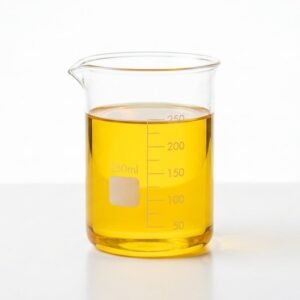
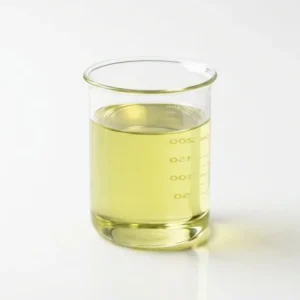
In dermatological and personal care contexts, safflower oil is defined as a non-comedogenic emollient agent that facilitates the softening and smoothing of the stratum corneum, enhances skin hydration by reducing transepidermal water loss, and supports the maintenance of the skin’s natural lipid barrier, while its relatively neutral odor, pale yellow coloration, and compatibility with a broad range of active ingredients and formulation systems make it a versatile carrier oil in creams, lotions, serums, cleansing products, and hair care preparations, where it functions not only as a base oil but also as a delivery medium for lipophilic compounds.
Furthermore, safflower oil is distinguished by its adaptability across different industrial standards and specifications, including cosmetic-grade, pharmaceutical-grade, and food-grade classifications, each defined by purity criteria, processing controls, and regulatory compliance requirements, and it is frequently evaluated based on parameters such as acid value, peroxide value, iodine value, and fatty acid distribution, which collectively determine its quality, shelf stability, and suitability for intended applications; as such, safflower oil occupies a significant position among plant-derived oils due to its balance of functional efficacy, formulation versatility, and alignment with modern preferences for naturally sourced and minimally processed ingredients.
Key Benefits
- Deeply moisturizes and softens skin
- Lightweight and non-greasy, suitable for all skin types
- Non-comedogenic, safe for oily and acne-prone skin
- Supports skin barrier and reduces water loss
- Helps soothe and calm irritated or sensitive skin
- Promotes smoother, more supple skin
- Conditions hair and nourishes the scalp
- Naturally derived, rich in essential fatty acids and Vitamin E
CAS NUM: 8001-23-8
Classification: NDM – Naturally Derived with Minimal Processing)
INCI NAME : Carthamus tinctorius (Safflower) Seed Oil
Specification: India
Packaging: Our Oils are packaged in airtight plastic containers (Bottles) to avoid spillage
DISCLAIMER: All SOPHIX NATURAL PRODUCTS are for external use only, unless otherwise STATED. This information is not intended to diagnose, treat, cure, or prevent any disease. SOPHIX NATURAL is not responsible for ingredient purchase decisions, ingredients research and testing, or inability to follow recommended usage directions.